Key Facts
- Space Club disposable vapes are everywhere — smoke shops, social media, and online resellers. But are they legitimate cannabis products or dangerous counterfeits?
- Editorial verdict: Fake
- Estimated reading time: 2 minutes (294 words)
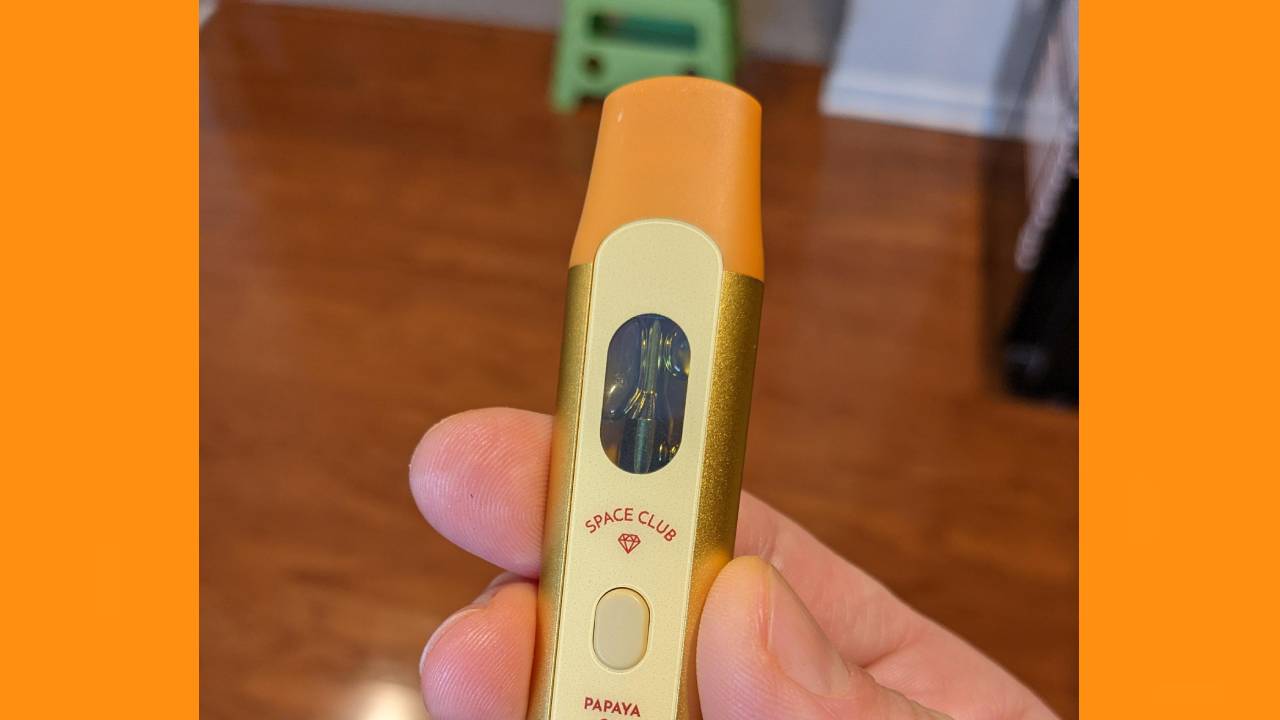
Space Club has become one of the most recognizable names in the disposable vape market, with its space-themed packaging appearing in smoke shops and social media feeds across the country. But with growing concerns about unregulated vape products, consumers are asking: is Space Club real or fake?
What Is Space Club?
Space Club is a cannabis vape brand that sells pre-filled disposable vape pens, typically marketed as containing THC distillate or live resin. The brand is known for its distinctive space-themed packaging and wide variety of strain options.
The Licensing Problem
Here's the critical issue: Space Club does not appear in any state cannabis licensing databases. In legal cannabis states like California, Colorado, and Michigan, all manufacturers must hold a valid state license, provide batch-specific lab test results, and comply with strict packaging regulations. Space Club products lack credible evidence of meeting any of these requirements.
Think you know something that's real or fake?
The community is waiting. Submit your question and let thousands of people vote on it.
Submit Your QuestionRed Flags
- No verifiable state cannabis license in any regulated market
- Sold in unlicensed shops: Found primarily in smoke shops and through street vendors, not licensed dispensaries
- Packaging available for bulk purchase: Empty Space Club packaging can be bought online on sites like DHGate, meaning anyone can fill and sell them
- Unverifiable QR codes: Some units include QR codes for "lab tests" that link to generic or self-published results, not accredited laboratories
- Inconsistent quality: User reports vary wildly from unit to unit, suggesting no standardized manufacturing process
Our Verdict
Space Club disposables are an unregulated, black-market product. Without verified state licensing or credible third-party lab testing, there is no way to confirm what's actually inside them. Consumers face real health risks including exposure to pesticides, heavy metals, and cutting agents. If it wasn't purchased from a licensed dispensary with verifiable lab results, it should be treated as fake.
What do you think?
Cast your vote and see what the community thinks
0 total votes
No account needed — vote anonymously
Got something to investigate?
Submit your own "Is X real or fake?" question and let the community vote.
Discussion
No comments yet
Be the first to share your thoughts.