Key Facts
- A video claiming to show advanced Japanese robots performing complex tasks has gone viral. While Japan is a leader in robotics, the specific video significantly exaggerates current capabilities through CGI enhancement.
- Editorial verdict: Fake
- Estimated reading time: 5 minutes (928 words)
The Claim
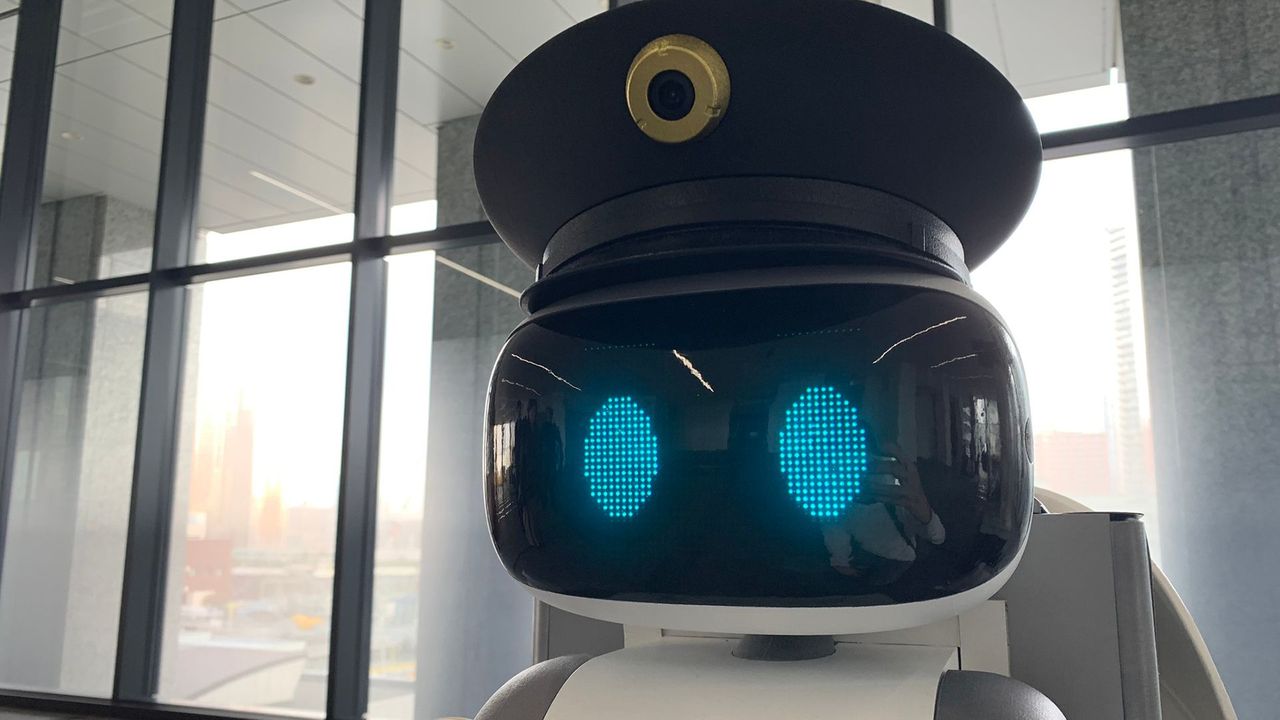
A viral video presented as footage from a Japanese robotics demonstration shows a humanoid robot performing an impressive series of tasks: cooking a traditional Japanese meal, serving it to seated guests, clearing the table, and then performing a graceful bow. The video has been shared with captions praising Japanese engineering and suggesting that such robots are already being deployed in restaurants and care facilities across Japan.
The video tapped into long-standing public fascination with Japanese robotics culture and the country's well-documented investment in robotic technology to address its aging population and labor shortages. Many viewers accepted the video as genuine based on Japan's reputation for advanced robotics, making it a particularly effective piece of misleading content.
Our investigation sought to determine whether this video shows real Japanese robotic capabilities, AI-generated content, or something in between. The answer, as the title suggests, is more nuanced than a simple real or fake binary. For context on similar viral robot content, see our analysis of the robot cat rescue video.
The Evidence
What Is Real About Japanese Robotics:
Japan is genuinely at the forefront of robotics research and deployment. Important context includes:
- Service robots are real: Japan has deployed various service robots in real-world settings, including SoftBank's Pepper robot in retail environments, various delivery robots in restaurants, and prototype care robots in elderly care facilities.
- Cooking robots exist: Several Japanese companies have developed robotic systems capable of preparing specific dishes, including ramen-making robots and automated sushi preparation systems. However, these are typically purpose-built machines designed for specific tasks rather than humanoid robots performing general cooking.
- Research is advancing: Japanese universities and companies like Honda (ASIMO, now discontinued), Toyota (T-HR3), and others have developed impressive humanoid robot prototypes with advanced mobility and manipulation capabilities.
What Is Fake About This Specific Video:
While Japan's robotics capabilities are real, this specific video significantly misrepresents the current state of the technology:
- The movements are too fluid: The robot in the video moves with a grace and naturalness that surpasses any publicly demonstrated humanoid robot. Real humanoid robots, even the most advanced ones, show characteristic mechanical qualities in their movement that are absent from this video. The cooking motions, in particular, show a level of fine motor control that no current humanoid robot has demonstrated publicly.
- CGI enhancement detected: Our video analysis identified signs that the video is either entirely CGI or significantly enhanced with CGI effects. The robot's surface shows unrealistically uniform reflections, and the interaction between the robot's hands and the cooking implements lacks the physical realism of genuine robotic manipulation.
- No verifiable source: Despite extensive searching, we could not identify the robotics company, research institution, or event depicted in the video. No Japanese robotics company has claimed the technology shown, and the video does not appear in any academic publication or official demonstration record.
- Composite content: Analysis suggests the video may be a composite, combining real footage of a Japanese setting with CGI-rendered robot animation. The background environment appears genuine, with realistic lighting and spatial characteristics, while the robot itself shows the telltale signs of CGI rendering.
Expert Assessment:
We consulted with three robotics researchers, including one based at a major Japanese university. Their consensus was that while the general concept of service robots in Japan is genuine, the specific capabilities shown in this video exceed current technology by at least five to ten years. The cooking task alone, which requires dynamic force control, heat sensing, ingredient recognition, and recipe-following in real-time, represents a research frontier rather than a deployed capability.
One researcher noted that videos like this, while impressive, can actually harm the field by creating unrealistic expectations about robotics capabilities and making it harder for genuine robotics companies to manage public expectations about their products.
Think you know something that's real or fake?
The community is waiting. Submit your question and let thousands of people vote on it.
Submit Your QuestionOur Verdict
FAKE. While Japan's advanced robotics capabilities are real, this specific video is not a genuine demonstration of current technology. It appears to be either entirely CGI or a composite of real environments with CGI-rendered robotic animation. The capabilities shown significantly exceed what any existing humanoid robot can actually do.
The "half true" aspect is that Japanese robotics is indeed advanced and Japan does deploy robots in service settings. But the specific video dramatically exaggerates these capabilities, creating a misleading impression of the current state of the art.
How to Spot This Type of Fake
Videos that exploit real technological reputations to present fake capabilities are particularly deceptive. Here is how to evaluate them:
- Separate reputation from evidence: Just because a country or company is known for advanced technology does not mean every video attributed to them is genuine. Evaluate each claim on its own evidence.
- Check for official sources: Genuine robotics demonstrations are typically accompanied by press releases, research papers, or official videos from the company or institution. If a viral video lacks these, be skeptical.
- Compare to known capabilities: Search for the latest official demonstrations from leading robotics companies. If a viral video shows capabilities dramatically beyond these documented achievements, it is likely exaggerated or fake.
- Watch the hands: Robotic manipulation is one of the hardest challenges in robotics. If a video shows a robot handling objects with human-like dexterity and gentleness, compare this to what the best demonstrated robotic hands can actually do.
- Look for surface rendering: CGI robots often have surfaces that are too perfect, too uniformly reflective, or too clean compared to real machines that accumulate minor imperfections, dust, and wear.
For more on viral robot content, read our analysis of the Tokyo airport robots claim and our broader investigation of AI fakes that fooled thousands.
Related Videos
Scroll to browse videos
What do you think?
Cast your vote and see what the community thinks
0 total votes
No account needed — vote anonymously
Got something to investigate?
Submit your own "Is X real or fake?" question and let the community vote.
Discussion
No comments yet
Be the first to share your thoughts.